Skip to content

Create!

create-iconAlong with direct action and other forms of resistance, a transformational movement must also have a constructive program that builds new institutions based on the values that the movement aspires to achieve. These may eventually replace the old systems. From small, worker-owned cooperatives to national advocacy groups, hundreds of thousands of people around the country are working to create democratic and sustainable systems that meet the basic needs of all people.
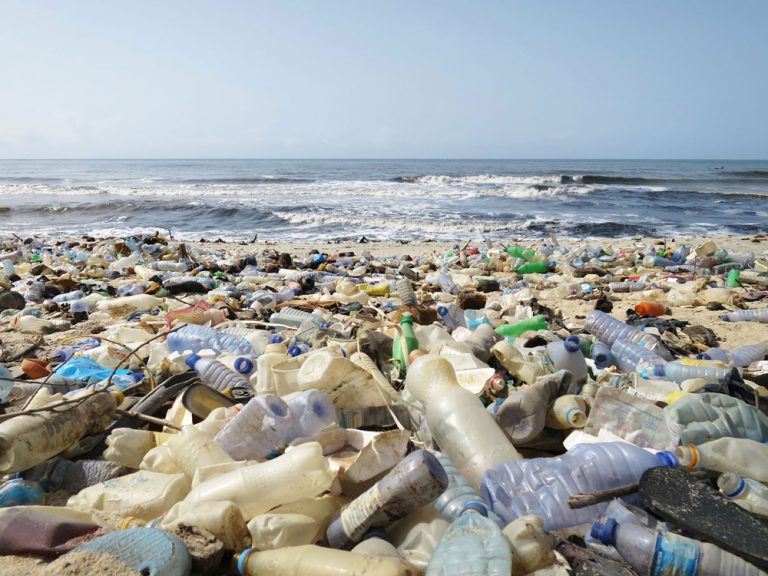
Plastic Microrecycling Goes Viral

Most used plastic winds up in landfills, the ocean, or the landscape, where it kills wildlife or degrades and puts toxins and microplastics into the environment. And plastic put in recycling bins often isn’t recycled— sometimes it’s shipped from rich countries to poor countries and surreptitiously burned as fuel, creating and spreading even more toxins. Some researchers characterize the global trade in plastic waste as a new form of colonialism. But a worldwide network of microrecyclers is turning local plastic waste into commercial products, while building community and expertise.
Mirlo Is Building Cooperative Tools For Music Distribution

Trying to stay consistent at running a DIY punk website for years often brings me a weird kind of pressure and internal conflicts: the routine of reviewing as many records as possible, the inertia of keeping up with the endless stream of new releases. And while I always care about lyrics, politics, and the band’s overall background, message, and context, in the end most bands and labels sending me music still feel like they’re grasping for attention in a world where the collective attention span is almost zero. Despite all the embedded politics in punk, DIY Conspiracy can still end up looking like just another music website with reviews and interviews, feeding free traffic and implicit endorsement to Bandcamp, YouTube, and other platforms.

A Call To Makers, Hackers, Designers, Engineers And Artists

I don’t need to tell you the scale and urgency of the crisis unfolding around us right now. You can see it. You can feel it. It’s unimaginable that it might have somehow passed you by. It almost certainly gives you regular sleepless nights. One could be forgiven for thinking that what some call the ‘polycrisis’, which draws us seemingly inexorably towards the Sixth Great Extinction, is viewed by many of those in charge as some kind of a desirable outcome. The movements around the world standing up for life, for the future, for the flourishing of life on Earth, have been incredible, vibrant and creative, but make no mistake, we are losing, and losing, as climate-destroyer-in-chief Donald Trump might put it, ‘bigly’.

To Achieve Budget Justice, Cities Must Be Ready For The Mess

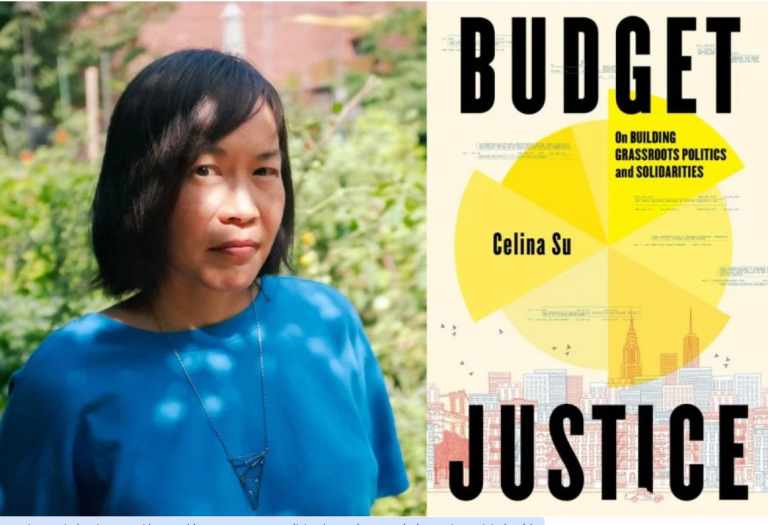
How might everyday city residents begin to demand transparent, equitable city budgets and fight austerity? In my book “Budget Justice: On Building Grassroots Politics and Solidarities,” I examine real-life struggles for city budgets that give everyone, especially those from historically marginalized communities, resources and power to address their needs. Part of the book draws upon a decade of fieldwork on participatory budgeting —in which everyday residents, not just elected officials and civil servants, allocate public funds. Since the 1990s, more than 11,000 cities and communities around the world have turned to participatory budgeting to hold local governments accountable.

Venezuela Is Undergoing A Total Functional Economic Transformation

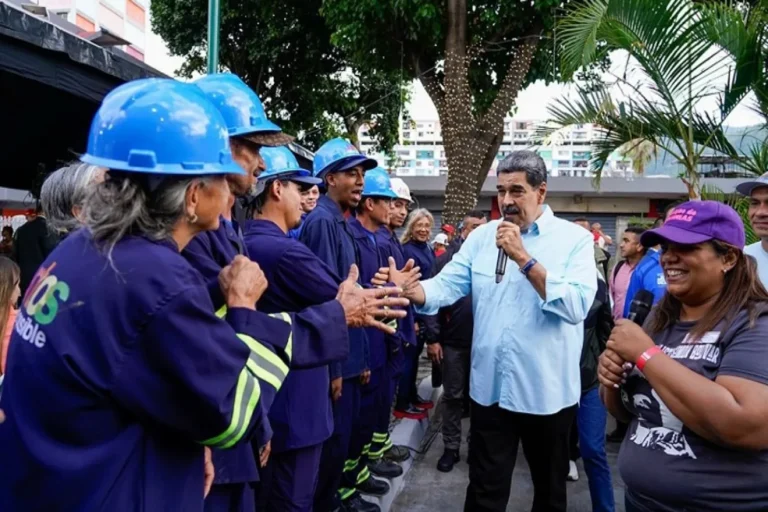
Venezuelan President Nicolás Maduro recently highlighted the role of the National Council for Productive Economy in driving the growth of a new, self-sustaining economy. During a meeting on Friday, December 13, which brought together the government, the banking sector, and representatives of the country’s main business chambers, he presented the year-end gross domestic product (GDP) growth forecast of 9%, surpassing the Economic Commission for Latin America and the Caribbean (ECLAC) projections and marking 18 consecutive quarters of sustained economic growth.

Canada Has Become A Hostage Of Its Own Housing Bubble

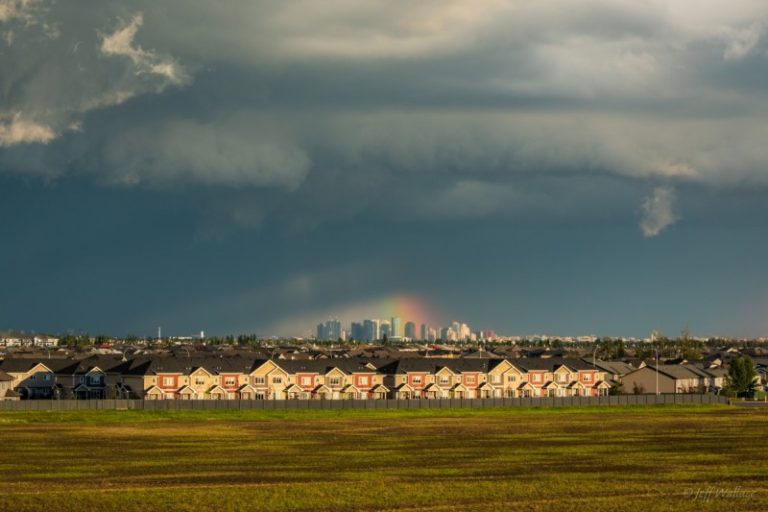
At the beginning of the millennium home prices began rising faster than incomes. As time went on, housing became less and less affordable. When the global financial crisis hit in 2008 real estate values continued their rapid growth even as markets crashed in the United States and Britain. For a quarter-century rising housing costs outpaced wages, pricing out generations of Canadians and pushing thousands into homelessness. What would it take for home-price-to-income ratios to return to the level of the early aughts? What would need to happen for housing to become affordable again?

Group Of Friends Of Global Governance Launched At United Nations

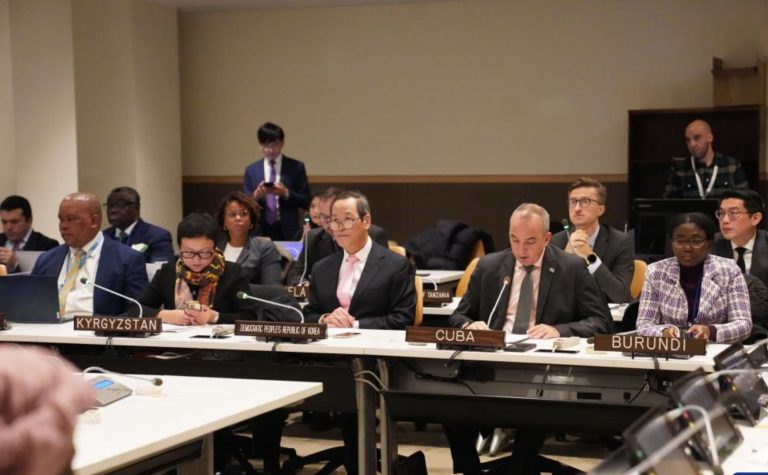
The formation of the Group of Friends of Global Governance was formally announced at the United Nations in New York on December 9. This follows President Xi Jinping launching the Global Governance Initiative at the Shanghai Cooperation Organisation Plus Meeting in Tianjin on September 1. The group initially consists of 43 members. Besides China, among them are Belarus, Burkina Faso, Cuba, Democratic People’s Republic of Korea, Iran, Lao People’s Democratic Republic, Mozambique, Nicaragua, Niger, Palestine, Senegal, Venezuela and Zimbabwe.

Building Social Wealth Through Mutual Aid

As market economies become more expensive and predatory, Stephanie Rearick is showing that it’s entirely possible to meet people’s needs effectively through care and cooperation, through a kind of alternative social economy. For more than twenty years, Rearick has championed mutual aid and cooperative economics through such projects as the Madison Mutual Aid Network Cooperative and the Dane County TimeBank, both of which she founded. Rearick also works internationally through Humans United in Mutual Aid Networks, a global network of networks dedicated to building mutual aid economy.

Fueling The Future Of Community Ownership

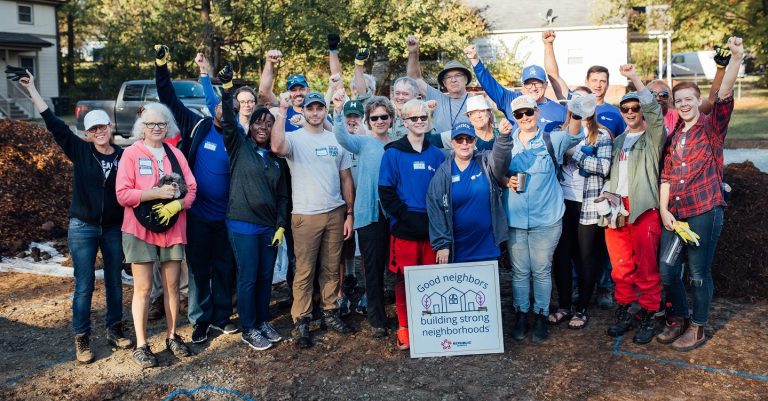
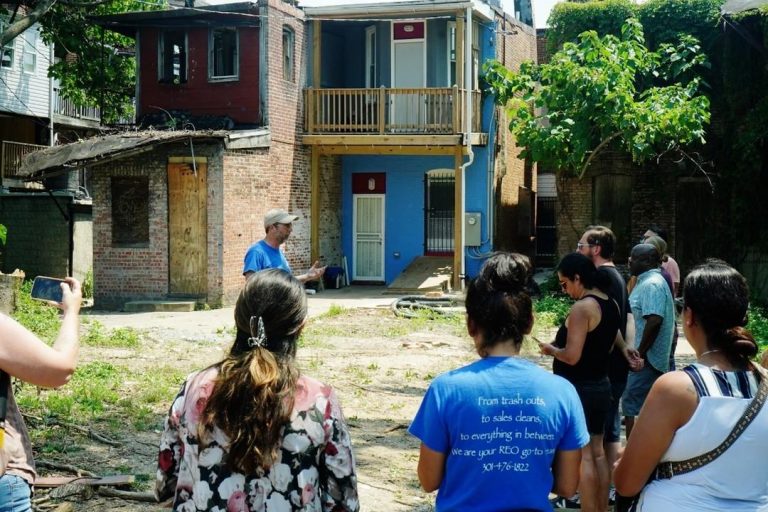
An enduring vision for many people across the country is to collectively own local land and buildings, thus controlling how those properties are used and who benefits from them. It’s a way for people to not only care for their neighborhoods and neighbors, but to also push back against outside influences that are exploiting and extracting value from communities. While there are some forms of community ownership—like community land trusts, limited-equity co-ops, and resident-owned manufactured housing parks—that are fairly well-known, there are new ones being developed as well to serve communities in new ways.

Do Millionaire Surtaxes Lead To Millionaire Exodus?

November 2025 marks the three-year anniversary of Massachusetts voters approving a four percent surtax on annual incomes above $1 million.[1] The ‘Fair Share’ amendment has been a reference for New York City mayor-elect Zohran Mamdani, who has called for an additional 2% tax on city incomes over $1 million to fund his affordability agenda. Predictably, critics make gloomy prophecies of economic blight and elite exodus: Bill Ackman and 26 other billionaires spent big on Mamdani’s opponents, the Cato Institute called his tax plans ‘wishful thinking,” and Andrew Cuomo threatened to depart for Florida.

Own The Hell Out Of It

There’s a point in every crisis; housing, labour, democracy, take your pick – where you realise the system isn’t just broken, it’s working exactly as designed. And usually, that realisation can happen as early as taking your first step on soil that’s already borrowed, bought and broken before you ever arrived. For me, that understanding started in Salford. Not the glossy council-brouchure Salford of waterfront apartments and artisan dog biscuits, but the Salford Walter Greenwood sketched in Love on the Dole. A place where “poverty was an unwelcome lodger in every home”, where whole streets lived under the shadow of the slum clearances and where, by the 1960s, some of the worst housing in Western Europe was still being swept under municipal carpet.

President Maduro Proposes Commune-Based Electoral System

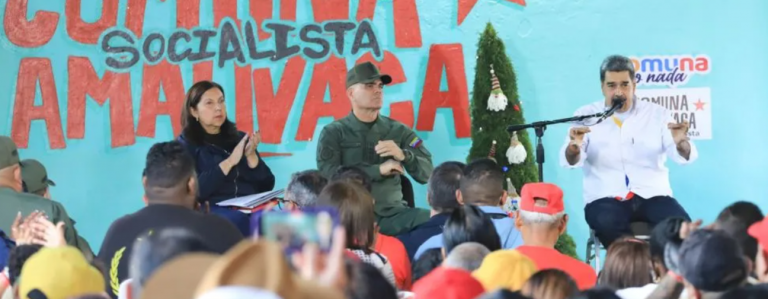
President Nicolás Maduro visited the Simón Bolívar Socialist Commune in Caracas’s 23 de Enero parish Thursday, where he praised Venezuela’s communal democracy as direct and real and called for a new electoral system rooted in the communes. He announced that “starting with the next popular consultation, in addition to the prizes for the most active communes, the most-voted communal circuit in each state will automatically have all seven projects submitted by the community approved”—meaning they will receive state funding.

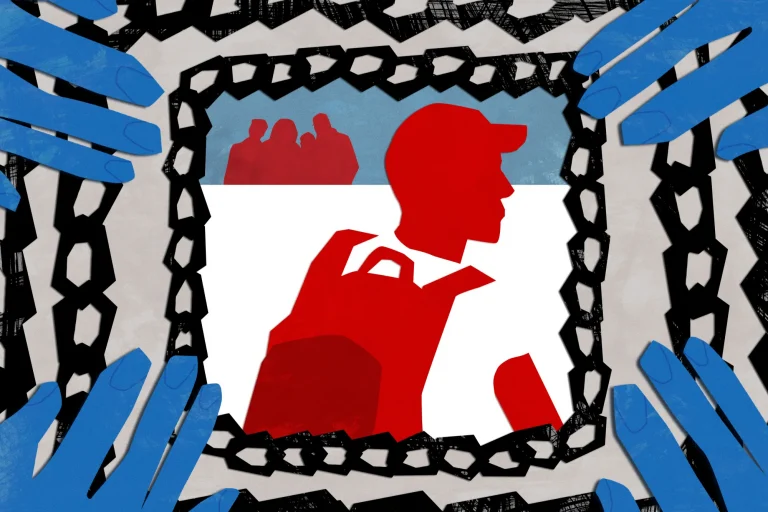
ICE Sent 600 Immigrant Kids To Federal Detention This Year

It was Friday, June 6, and the rent was due. As soon as she finished an errand, Imelda Carreto planned on joining her family as they gathered scrap metal to earn a little extra cash. Her fiancé, Julio Matias, and 15-year-old nephew, Carlos, had set out early, hitching a trailer to the back of their beat-up gray truck. Shortly after 8 a.m., Carreto’s phone rang. It was Carlos, telling her an officer with the Florida Highway Patrol had pulled over the truck on Interstate 4 near Tampa. The stated reason: cracks in their windshield. But Carreto was worried. She knew Florida police were collaborating with federal immigration authorities.

Agroecology Is A Form Of Resistance And Decolonization

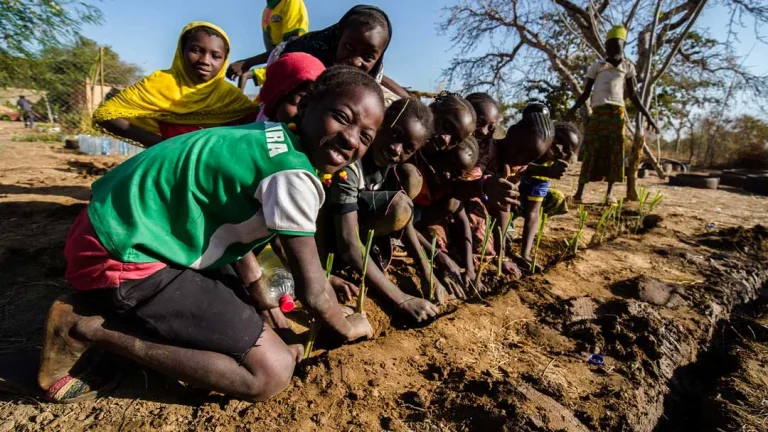
In Burkina Faso, agroecology flourishes as an act of resistance. In a country where more than 80% of the active population makes their living off agriculture, peasant movements and social organizations have defended the production of healthy food and food self-sufficiency as a path to liberation from the wounds left by French neocolonialism. Leading this effort is the Yelemani Association, founded in 2009 by Blandine Sankara, sister of revolutionary leader and former president Thomas Sankara, who governed the country from 1983 to 1987, when he was assassinated.

As Immigrant Youth Come Under Attack, Schools Try To Protect Them

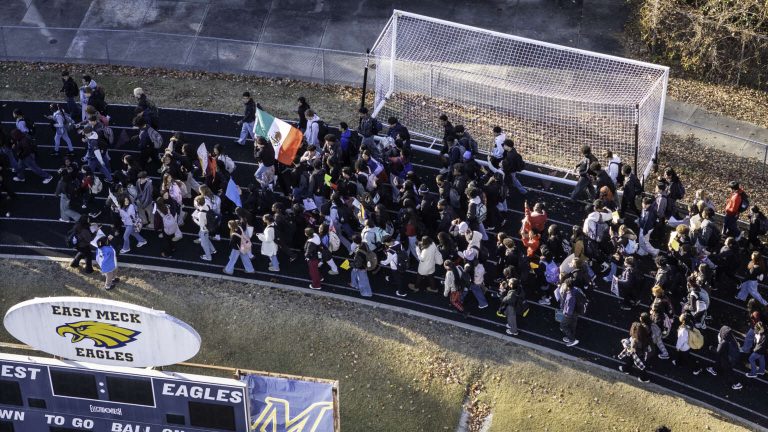
In Sanctuary School: Innovating to Empower Immigrant Youth, Molloy University assistant professor of education Chandler Patton Miranda presents an in-depth and emotionally resonant look at a network of 31 small public high schools in seven states that provide “radical welcome, protection and empowerment” to migrant youth from 119 countries. The Internationals Network for Public Schools was initially founded in 2004 in Queens, New York, but it now has expanded to serve schools in California, Maryland, and Washington, D.C., among other locations.
assetto corsa mods

Urgent End Of Year Fundraising Campaign

Online donations are back! Keep independent media alive. 

Due to the attacks on our fiscal sponsor, we were unable to raise funds online for nearly two years.  As the bills pile up, your help is needed now to cover the monthly costs of operating Popular Resistance.

Urgent End Of Year Fundraising Campaign

Online donations are back! 

Keep independent media alive. 

Due to the attacks on our fiscal sponsor, we were unable to raise funds online for nearly two years.  As the bills pile up, your help is needed now to cover the monthly costs of operating Popular Resistance.

Sign Up To Our Daily Digest

Independent media outlets are being suppressed and dropped by corporations like Google, Facebook and Twitter. Sign up for our daily email digest before it’s too late so you don’t miss the latest movement news.